
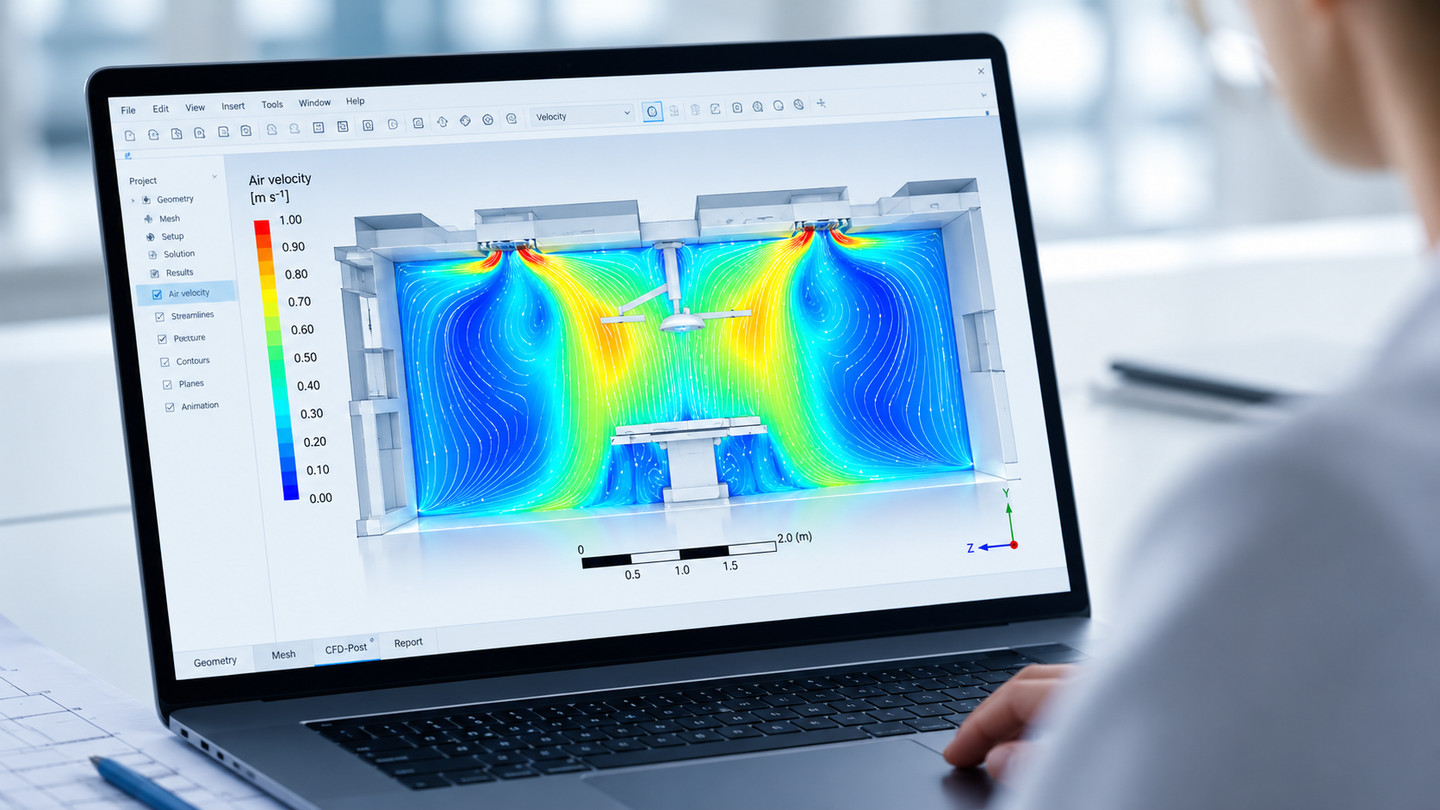

CFD SIMULATION SERVICES FOR HEALTHCARE, CLEANROOMS AND CONTROLLED ENVIRONMENTS
See how your environment will perform before you build, renovate or modify it.
Halton Computational Fluid Dynamics (CFD) Services use advanced simulation to visualise airflow and environmental performance before construction, renovation or system modification. CFD can also be used to optimize an existing solution, identify pain points in the current system, and support adjustments or upgrades.

CFD simulations provide confidence before you build, renovate or modify critical environments. By identifying potential issues early and validating design alternatives, you can reduce project risk, avoid costly changes, improve operational reliability and ensure the required environmental conditions are achieved from day one.
Why use CFD?

Reduce project risk
Identify potential airflow and contamination issues before construction or renovation.

Save time and cost
Evaluate alternatives virtually and reduce the need for costly modifications later.

Improve compliance readiness
Support design reviews, qualification planning and validation activities.

Make informed decisions
Compare layouts, ventilation solutions and operating scenarios using objective simulation results.
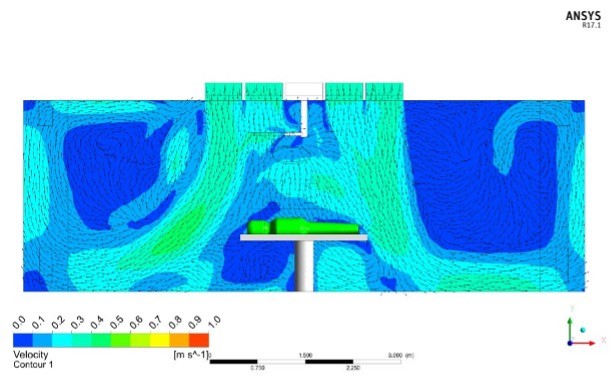
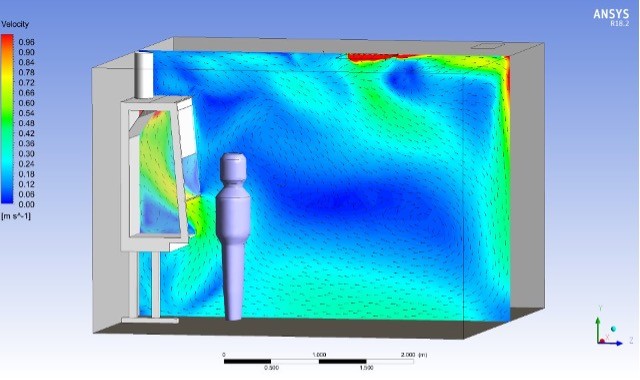
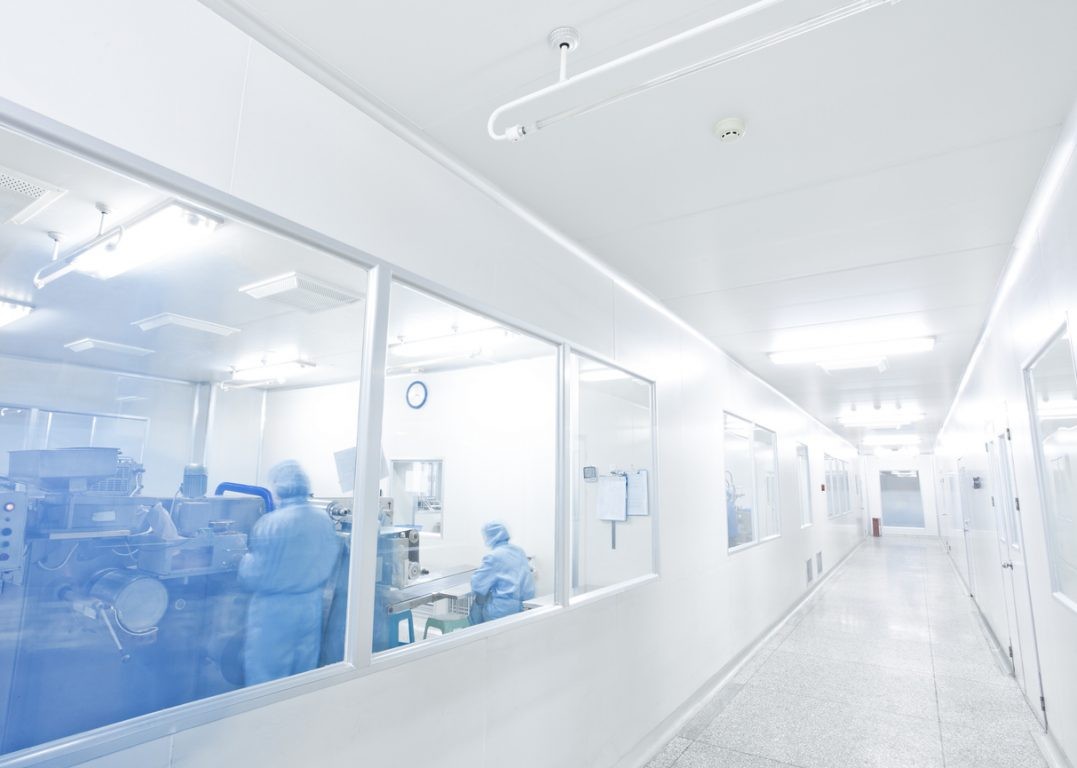
Where CFD can be used
How a CFD project works
1
Define
2
Model
3
Simulate
4
Evaluate
5
Report
What you receive
The main customer deliverable is a clear CFD report that converts simulation results into practical findings and recommendations. Depending on the agreed scope, the report can include:
- Summary of the simulated cases and the computational model
- Key assumptions, boundary conditions and input data
- Air-temperature, air velocity, age of air results
- Particle or contaminant (CFU) results when included in the scope
- Illustrative contour plots, vectors, and streamlines
- Comparison of design alternatives
- Conclusions and practical recommendations
Related services
CFD can be combined with Halton services including airflow measurements, pressure verification, cleanroom qualification support, commissioning, HEPA-filter verification, performance monitoring, Halton Connect and modernization services.