Maintain what works. Modernize what can perform better.
The next big opportunity for cruise ship efficiency may already be onboard. As operators face growing pressure to reduce energy consumption, control costs and extend vessel lifecycles, smarter maintenance and targeted modernization can unlock significant value from existing systems without major replacement projects.
Keeping a cruise ship competitive goes far beyond new attractions, refreshed interiors and guest experiences. Behind the scenes, technical systems play a critical role in operational efficiency, safety and long-term performance.
With cruise ships representing substantial long-term investments, making the most of existing equipment is both an economic and environmental priority. From preventive galley ventilation maintenance to intelligent cabin ventilation upgrades, focused improvements can deliver meaningful benefits throughout a vessel’s lifecycle.
Preventing Problems Before They Disrupt Operations
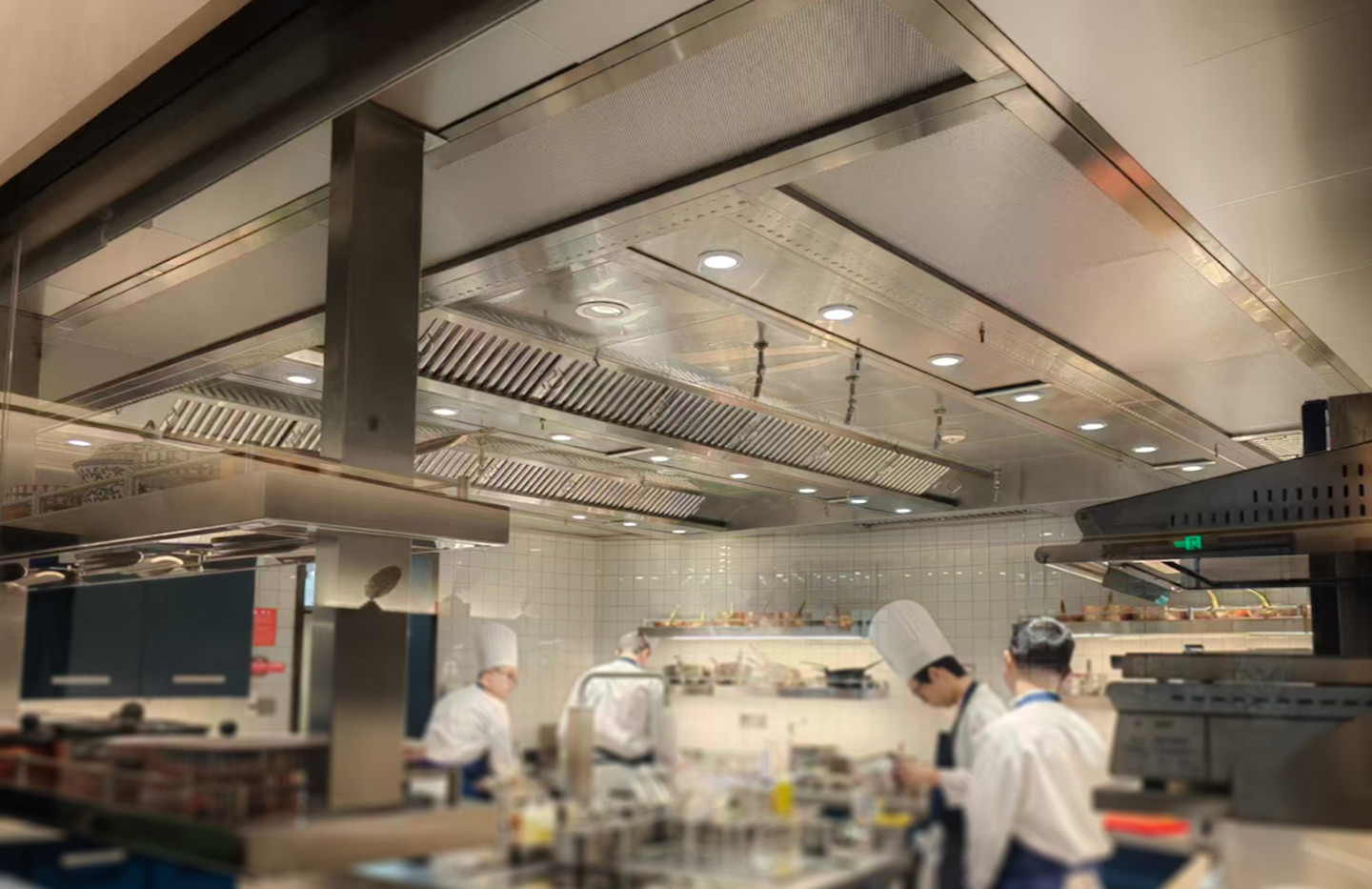
Cruise ship galleys operate under demanding conditions, often preparing thousands of meals every day. Reliable ventilation is essential for maintaining safe, comfortable working environments and ensuring uninterrupted foodservice operations.
Yet even well-designed systems require regular attention. Without preventive maintenance, performance can gradually deteriorate, increasing energy consumption, operational costs and potentially fire-safety risks. Unexpected equipment failures can also lead to costly disruptions.
The key is to identify and address potential problems before they affect operations.
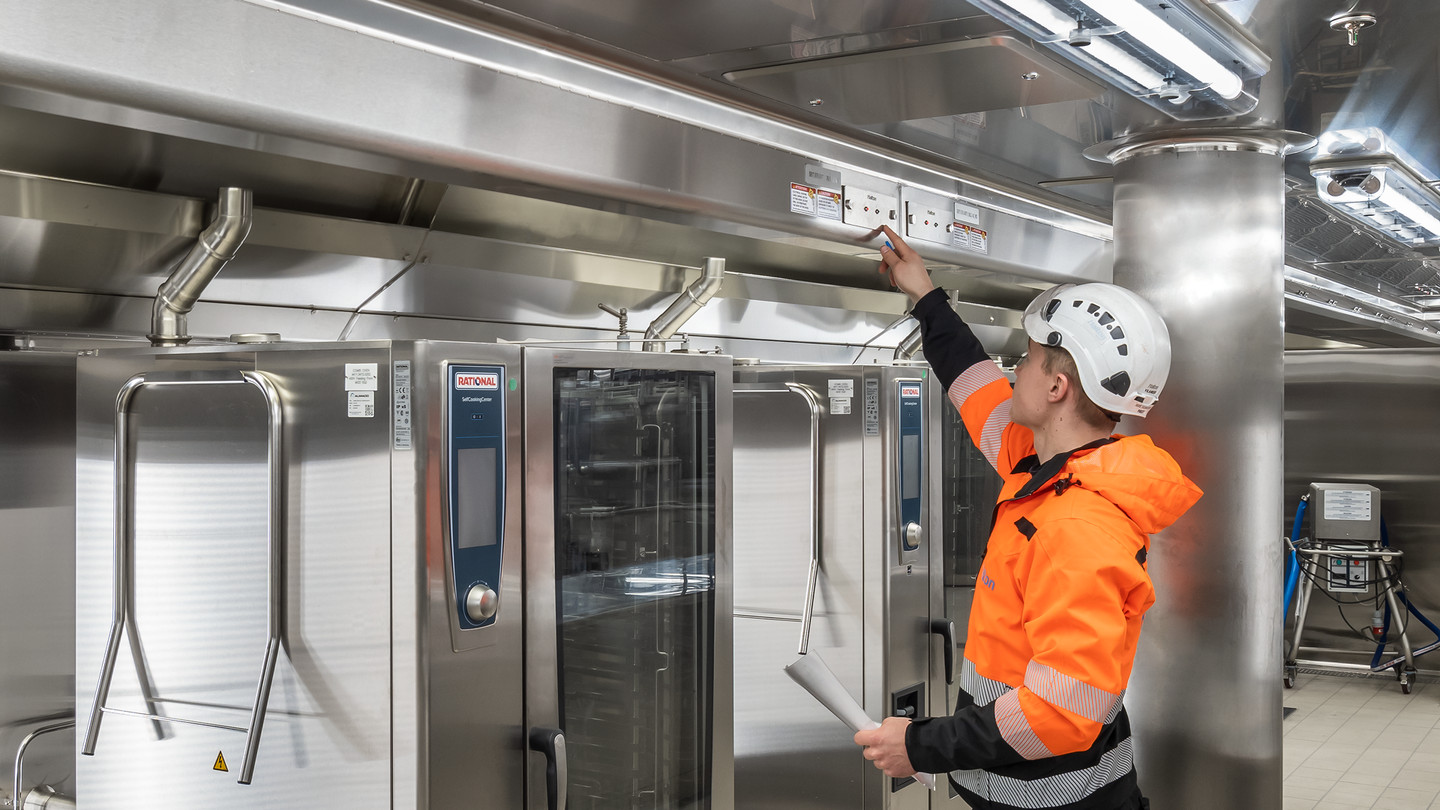
Halton’s annual preventive maintenance approach includes inspections and functional testing of critical components, including extraction hoods, UV and Water Wash systems, fire dampers and demand-controlled ventilation.
But effective maintenance goes beyond keeping equipment operational. Scheduled visits also provide opportunities to optimize system performance, anticipate spare-part requirements and give crews practical recommendations for continued operation. Documented findings help operators plan future maintenance activities and make more informed lifecycle decisions.
For cruise operators managing international fleets, this proactive approach can improve predictability, reduce the risk of unexpected downtime and help existing systems deliver reliable performance for years to come.
Smarter Cabin Ventilation, Lower Energy Consumption
While preventive maintenance protects operational reliability, targeted modernization can unlock another major opportunity: energy efficiency.
Cabin ventilation is a particularly interesting example.
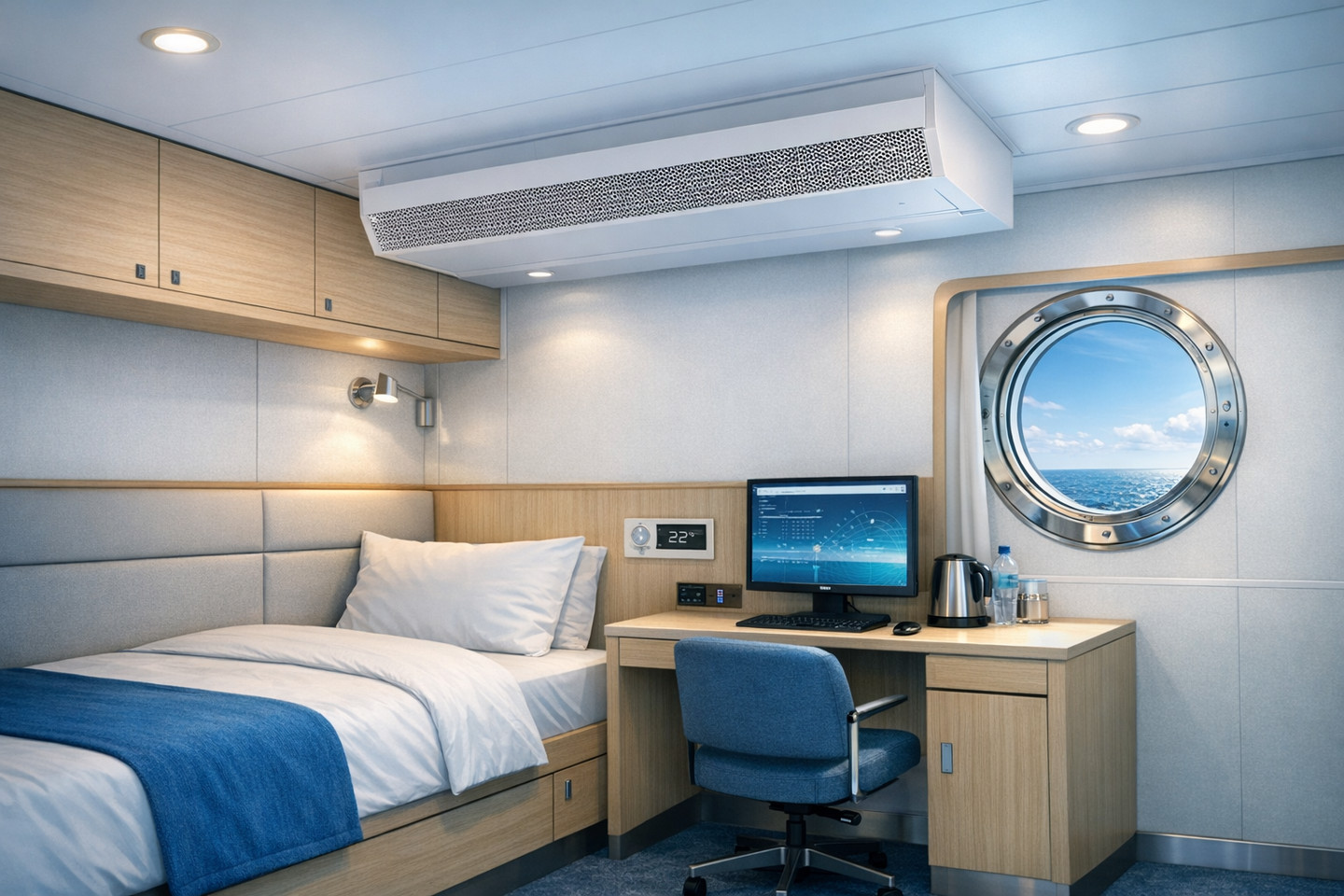
A cruise ship’s cabins do not require the same level of heating, cooling and ventilation around the clock. Yet conventional systems may continue operating at fixed levels even when cabins are unoccupied or balcony doors are open, consuming energy unnecessarily.
Intelligent controls can change that.
By integrating occupancy information, balcony door status, temperature sensors and networked controls, existing cabin ventilation systems can respond dynamically to actual demand. Airflow and temperature are adjusted according to conditions, helping maintain guest comfort while avoiding unnecessary energy consumption.
According to Halton, onboard results from cabin modernization projects have demonstrated energy savings of up to approximately 30% in cabin ventilation.
“By connecting cabin controllers to the network and using real-time data to control fan speed and air temperature, substantial energy savings can be achieved,” explains Susanna Ahonen, Head of Services at Halton Marine, Energy and Infrastructure.
The benefits can extend beyond individual cabins. Reducing unnecessary ventilation demand can also lower the overall HVAC energy load, contributing to reduced fuel consumption and associated emissions.
Importantly, achieving these improvements does not necessarily require replacing entire ventilation systems. Existing installations can often be modernized with upgraded controls, sensors and network connectivity, improving performance while extending the useful life of the original equipment.
“We can already see clear results from dozens of cruise ships where products have been upgraded for better energy efficiency or regular maintenance services have been introduced,” Ahonen says.
Unlocking More Value from Existing Assets
Galley ventilation maintenance and cabin ventilation modernization address different operational challenges, but they share the same underlying principle: getting more value from what is already onboard.
One helps prevent performance deterioration and unexpected disruptions. The other uses smarter technology to reduce unnecessary energy consumption. Together, they demonstrate how a lifecycle approach can improve operational efficiency, support safety and extend the value of existing investments.
There is also an important sustainability dimension. Maintaining equipment and upgrading selected components, rather than prematurely replacing complete systems, can help conserve resources and reduce the environmental impact associated with manufacturing and installing new equipment.
For cruise operators balancing cost pressures, operational demands and increasingly ambitious sustainability targets, the opportunity is clear. Improving existing assets can be an important part of building a more efficient and sustainable fleet.
Not every efficiency improvement requires a major refurbishment or a new vessel. Sometimes the next opportunity is already onboard.
Contact our services for cruise ships
Frequently asked questions
How can cruise operators improve energy efficiency without replacing existing systems?
Cruise operators can improve energy efficiency through preventive maintenance and targeted modernization of existing equipment. Upgrading ventilation controls, optimizing system performance and introducing demand-based operation can reduce unnecessary energy consumption without requiring complete system replacements.
Why is preventive galley ventilation maintenance important on cruise ships?
Regular maintenance helps ensure that galley ventilation systems operate safely, reliably and efficiently. It can prevent unexpected equipment failures, reduce operational disruptions, maintain system performance and help manage fire-safety risks in demanding galley environments.
What does preventive maintenance of cruise ship galley ventilation systems include?
Preventive maintenance typically includes inspections, functional testing and performance checks of critical components such as extraction hoods, UV and Water Wash systems, fire dampers and demand-controlled ventilation. Maintenance visits also help identify spare-part requirements and support long-term maintenance planning.
How can cabin ventilation modernization reduce energy consumption?
Modern cabin ventilation controls adjust airflow and temperature according to actual conditions, including cabin occupancy, balcony door status and temperature. This reduces unnecessary heating, cooling and ventilation while maintaining comfortable indoor conditions for passengers.
How much energy can cruise ships save by upgrading cabin ventilation?
According to Halton, onboard results from cabin modernization projects have demonstrated energy savings of up to approximately 30% in cabin ventilation. Actual savings depend on the existing system, operating conditions and the scope of the upgrade.
Does cabin ventilation modernization require replacing the entire system?
Not necessarily. Many existing cabin ventilation installations can be upgraded with intelligent controllers, sensors and network connectivity. This enables more efficient operation while extending the useful life of existing equipment and avoiding unnecessary replacement costs.