

As cruise travel continues to evolve, passengers increasingly expect more than excellent dining, entertainment and interior design. Sleep quality, acoustic comfort and indoor air quality are becoming important factors that influence overall satisfaction. Since passengers spend a significant amount of time inside their cabins, the indoor environment plays a critical role in shaping the cruise experience. As a result, many cruise operators are placing greater emphasis on Indoor Air Quality (IAQ) as part of their passenger comfort strategy.

What Influences Cabin Comfort?
Passenger comfort is determined by several key environmental factors.
- CO₂ Levels. Insufficient fresh air supply can lead to elevated CO₂ concentrations, resulting in a stuffy indoor environment and reduced comfort.
- Temperature and Humidity. Stable temperature and humidity conditions contribute to a pleasant cabin environment while helping prevent condensation and moisture-related issues.
- Air Distribution. Poor airflow distribution may create drafts or uneven temperatures, reducing overall comfort.
- Noise. Mechanical and airflow noise can directly affect sleep quality and passenger wellbeing.
Challenges in Cruise Cabin Ventilation
Modern cabin ventilation systems must balance several competing objectives:
- Delivering a healthy and comfortable indoor environment
- Reducing energy consumption
- Optimizing limited onboard space
- Supporting individual comfort preferences
Achieving comfort, low noise levels and energy efficiency at the same time remains a key challenge in cruise ship design.
Halton CaBeam 2.0: Designed for the Next Generation of Cruise Ship Cabins
To support higher standards of passenger comfort and operational efficiency, Halton developed CaBeam 2.0 REC, an advanced cabin ventilation solution specifically designed for cruise ship applications.
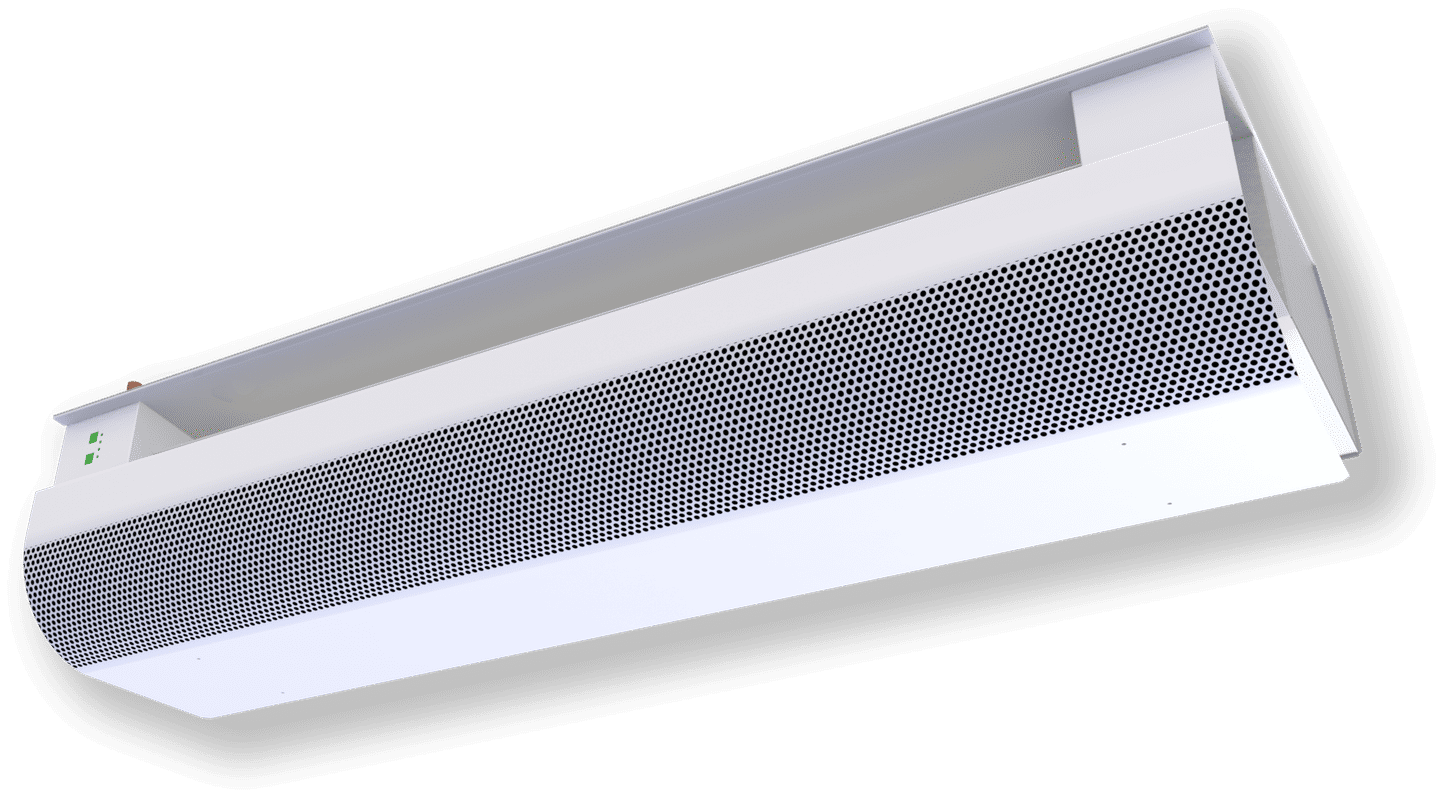
By integrating ventilation, cooling, heating and air distribution into a single solution, Halton CaBeam 2.0 helps deliver:
- More consistent thermal comfort
- Lower noise levels
- Improved air distribution
- Higher energy efficiency
- Optimized use of onboard space
Today, Halton cabin solutions have been installed in more than 150,000 cruise ship cabins worldwide.
Cabin Air Quality Is Becoming Part of the Cruise Experience
While passengers may remember the dining, entertainment, and destinations of a cruise, they also remember how well they slept, how comfortable their cabin felt, and whether the indoor environment contributed positively to the journey. As passenger expectations continue to rise, cabin air quality is becoming an increasingly important part of the overall cruise experience. Halton cabin ventialtion solutions help cruise operators create quieter, healthier and more comfortable environments at sea.


