


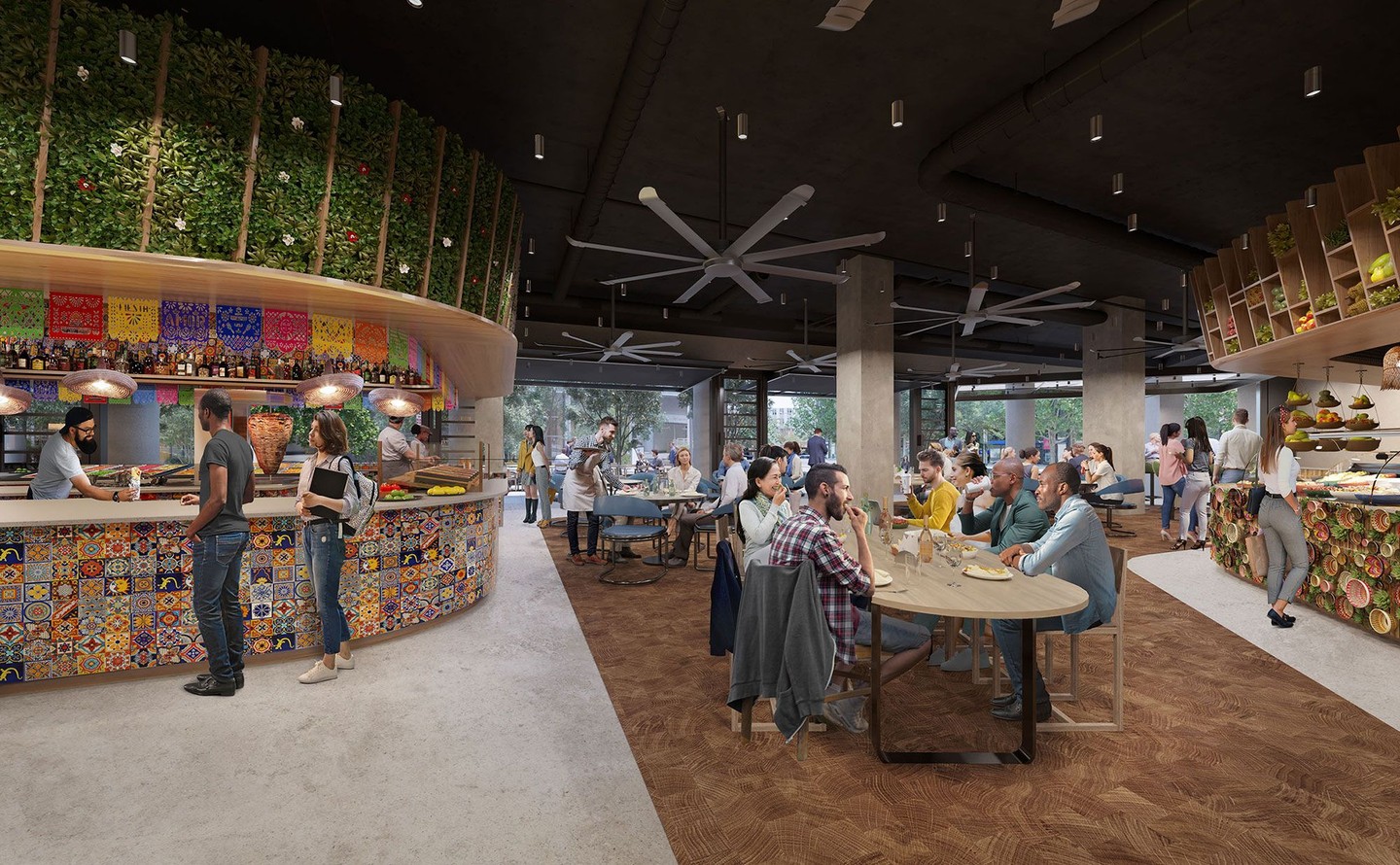

Food Hall Commercial Kitchen Ventilation
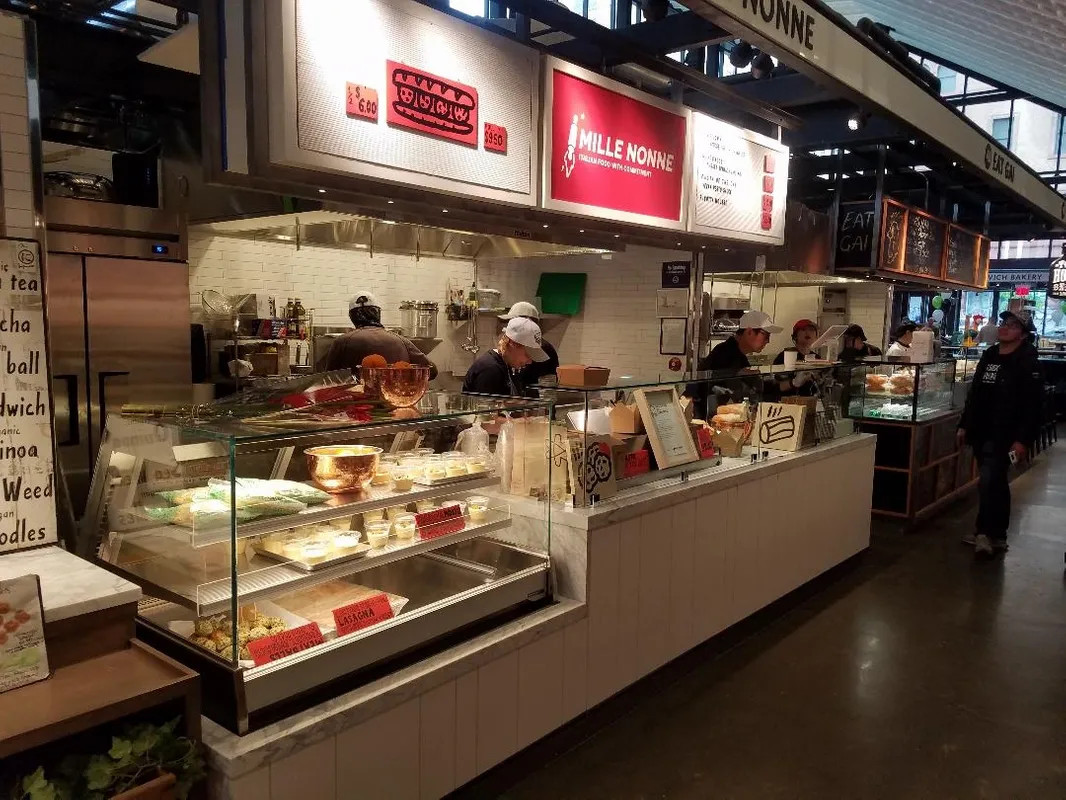
Modern food halls combine multiple restaurant concepts, open kitchens, shared dining areas, and diverse cooking platforms into one high-traffic destination. These environments require ventilation systems that can support varying cooking demands, architecturally visible kitchens, tenant flexibility, and cleaner indoor environments while maintaining energy-efficient operation.
Halton commercial kitchen ventilation solutions are designed to support food halls, market halls, and multi-tenant dining environments by helping improve capture performance, reduce cooking odor migration, support energy efficiency, and maintain cleaner and more comfortable shared dining spaces.
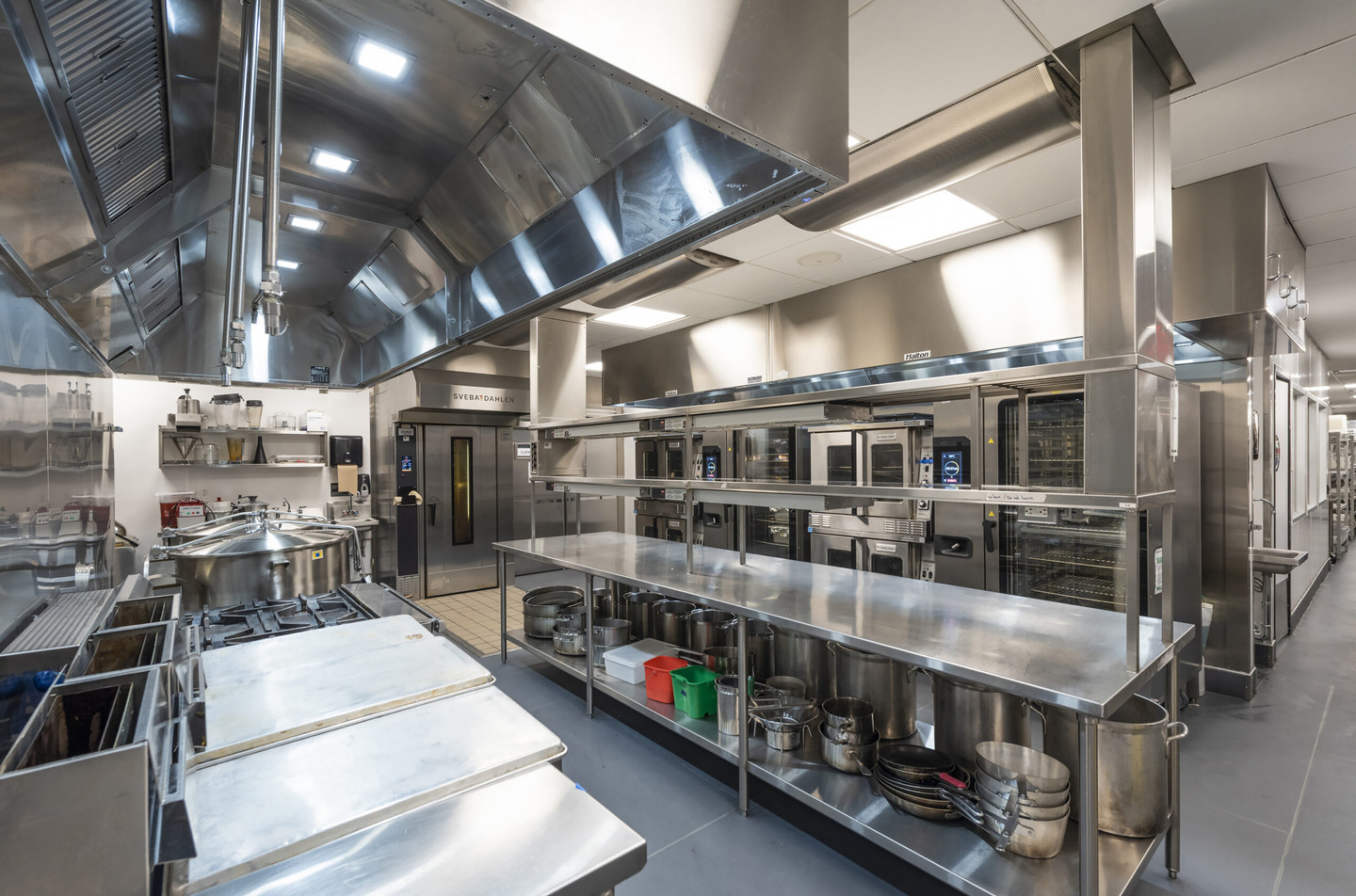
Key Benefits for Operators & Designers
Help maintain cleaner and more comfortable dining environments across shared public food hall spaces.
Demand-controlled ventilation helps reduce unnecessary fan energy and conditioned air usage during slower operational periods.
Ventilation systems support open kitchens, architecturally visible cooking stations, and evolving tenant layouts.
IoT-connected monitoring and integrated ventilation strategies help support operational consistency and proactive maintenance planning.
Why Choose Halton for Food Hall Commercial Kitchen Ventilation?

Expertise
Halton ventilation solutions support food halls, market halls, food courts, and multi-tenant foodservice environments worldwide.

Energy Efficiency
M.A.R.V.E.L. demand-controlled kitchen ventilation helps reduce unnecessary airflow and energy usage based on real cooking demand.

Capture Performance
Capture Jet™ technology helps improve capture and containment performance across diverse cooking applications.

Global & Local Support
Integrated kitchen ventilation solutions backed by global expertise and local project support.
Featured Technologies & Products for Food Hall Commercial Kitchen Ventilation
Frequently asked questions
What type of ventilation is used in food halls?
Food halls typically use commercial kitchen ventilation systems designed to manage heat, smoke, grease, steam, and cooking odors generated by multiple tenant kitchens and cooking concepts.
How can food halls reduce kitchen ventilation energy costs?
Demand-controlled kitchen ventilation systems adjust airflow based on real cooking activity. This helps reduce unnecessary fan energy and conditioned air usage during slower operational periods.
Why is ventilation important in food hall environments?
Proper kitchen ventilation helps support cleaner indoor environments by helping control heat, smoke, grease, and cooking odors across shared dining spaces.
What ventilation systems work best for multi-tenant foodservice environments?
Many food halls benefit from a combination of Capture Jet™ exhaust hoods, Capture RayTM UV exhaust hoods, demand-controlled kitchen ventilation, and pollution control technologies depending on operational requirements.
How do food halls reduce cooking odor migration between tenants?
Ventilation and pollution control systems help capture and manage smoke, grease, and cooking odors before they spread into adjacent tenant or dining spaces.
References
See Our References for Food Hall Commercial Kitchen Ventilation
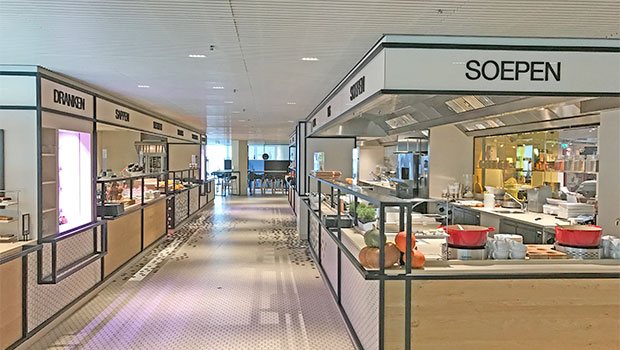
Halton kitchen ventilation solutions support food halls, market halls, food courts, and multi-tenant foodservice facilities around the world. These projects demonstrate proven performance in shared dining environments where indoor air quality, energy efficiency, tenant flexibility, operational consistency, and architectural integration are essential.


Contact us!
Speak with a food hall ventilation expert about ventilation solutions for multi-tenant kitchens, open dining environments, and mixed-use foodservice developments.
For inquiries, requests for quotations or ask our specialist. We are here for you.
"*" indicates required fields