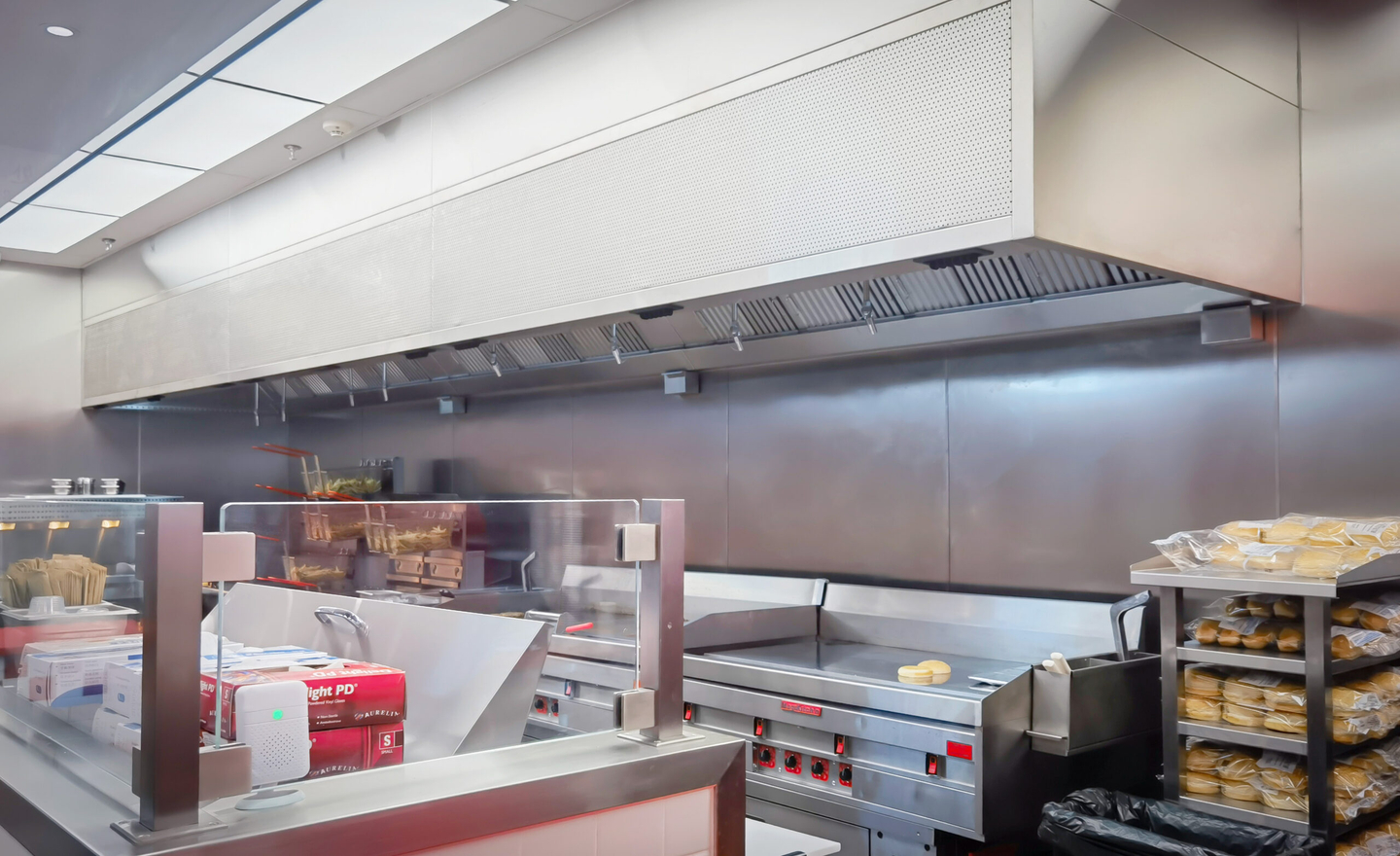
Food courts bring energy and traffic to shopping malls, but the smoke and strong odors from cooking often become a problem. For mall operators, an even trickier challenge is the frequent turnover of tenants and their diverse ventilation needs. Traditional ventilation systems can quickly become outdated, hurting the customer experience and raising operating costs.
So, how can malls build a flexible, efficient, and practical ventilation system? Halton has the solution.
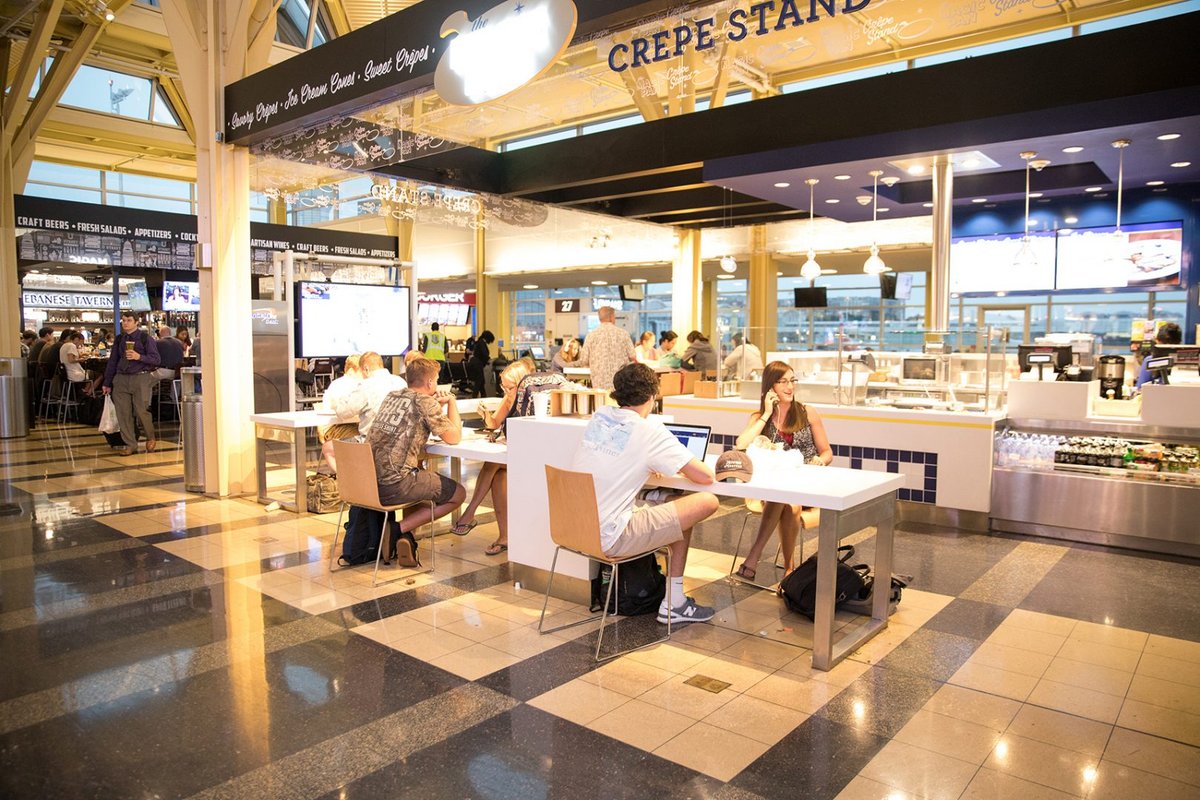
Ventilation in Food Courts: The Hidden Challenge
Planning ventilation for a food court involves navigating significant unknowns from the start. It’s difficult to predict each tenant’s exact needs during the design phase because some specialize in hotpot or BBQ, generating heavy grease and smoke, while others serve lighter meals with milder ventilation requirements. The peak demand from high-turnover stalls necessitates a system with robust, real-time grease and smoke extraction capabilities. If the ventilation is improper, odors and smoke can escape into the main mall, affecting the overall environment.
More critically, shopping malls are built to last decades, but tenant mixes and cooking equipment change regularly. Once installed, traditional systems are hard to change. Any modification requires major, disruptive construction that can shut down operations.
Why Choose Halton? Addressing the Core Challenge with Flexibility
In food court ventilation, Halton’s strength is solving a key industry pain point: lack of flexibility. We know that mall infrastructure must be planned before tenants are finalized. That’s why our systems are designed to be configured in advance for maximum adaptability, ensuring seamless integration from day one.
Halton’s Adaptive Hood System is designed for maximum flexibility, allowing configuration even before specific vendors are known. It supports seamless integration of new stalls over time without disrupting existing operations, and intelligently allocates exhaust levels per vendor while maintaining optimal air balance in each space. The system requires fewer exhaust fans and make-up air units, reducing both initial investment and ongoing energy costs. A centralized master control system enables local and remote monitoring, with the ability to quickly adjust ventilation settings as tenant mix changes.
This flexibility and scalability make the system ideally suited to the long-term, dynamic nature of food court operations, ensuring ventilation always aligns efficiently with actual operational needs.
A Complete Solution for Safety, Air Quality, and Efficiency
Beyond flexibility, the system is built to ensure lasting safety, air quality, and efficiency. It monitors grease buildup and odors automatically, supports local or remote system health tracking, and uses high-efficiency hoods to reduce energy use and improve indoor comfort.
Halton offers design flexibility to match virtually any food court layout. From the initial concept, we work with your designers, contractors, and tenants to tailor the system to your needs—ensuring a solution that is both adaptable and ready for long-term operation.
Click here to learn more about Food Courts Ventilation.