


Culinary Teaching School Kitchen Ventilation
Culinary teaching environments demand more than basic kitchen ventilation. From hands-on cooking labs and bakery programs to demonstration kitchens and student-operated dining spaces, culinary schools require ventilation systems that support indoor air quality, visibility, comfort, safety, and energy efficiency across active learning environments.
Halton commercial kitchen ventilation solutions are designed to support the unique demands of culinary teaching facilities, helping maintain cleaner classroom environments, improve capture performance, reduce energy consumption, and support reliable operation across diverse culinary training applications.


Key Benefits for Operators & Designers
Help reduce heat, smoke, and cooking odors to support cleaner, more comfortable culinary classrooms.
Demand-controlled ventilation adjusts airflow based on real cooking activity to help reduce energy consumption during non-peak classroom periods.
Ventilation solutions support open teaching kitchens, demonstration spaces, and collaborative culinary learning environments.
Integrated ventilation solutions support diverse culinary teaching applications while helping improve operational reliability and long-term performance.
Why Choose Halton for Culinary Teaching School Kitchen Ventilation?

Expertise
Halton ventilation solutions support culinary schools, teaching kitchens, colleges, universities, and training facilities worldwide.

Energy Efficiency
M.A.R.V.E.L. demand-controlled kitchen ventilation helps reduce unnecessary airflow and energy usage during varying classroom activity levels.

Capture Performance
Capture Jet™ technology helps improve capture and containment performance across diverse educational cooking environments.

Global & Local Support
Integrated kitchen ventilation solutions backed by global expertise and local project support.
Featured Technologies & Products for Culinary Teaching School Kitchen Ventilation
Frequently asked questions
Why is ventilation important in culinary teaching kitchens?
Proper kitchen ventilation helps manage heat, smoke, grease, and cooking odors while supporting indoor air quality, student comfort, and safe learning environments.
How can culinary schools reduce kitchen ventilation energy costs?
Demand-controlled kitchen ventilation systems adjust airflow based on real cooking demand, helping reduce unnecessary fan energy and conditioned air usage during non-active classroom periods.
What ventilation systems work best for culinary teaching environments?
Low-profile hoods, ventilated ceilings, Capture Jet™ systems, and demand-controlled kitchen ventilation are commonly used to support open and collaborative teaching kitchens.
Can ventilation systems support multiple student cooking stations?
Yes. Integrated ventilation systems are designed to support multiple cooking stations operating simultaneously across teaching labs and culinary classrooms.
How do culinary schools maintain visibility in teaching kitchens?
Architecturally integrated ventilation solutions, such as low-profile hoods and ventilated ceiling systems, help maintain sightlines and support open instructional environments.
References
See Our References for Culinary Teaching School Kitchen Ventilation
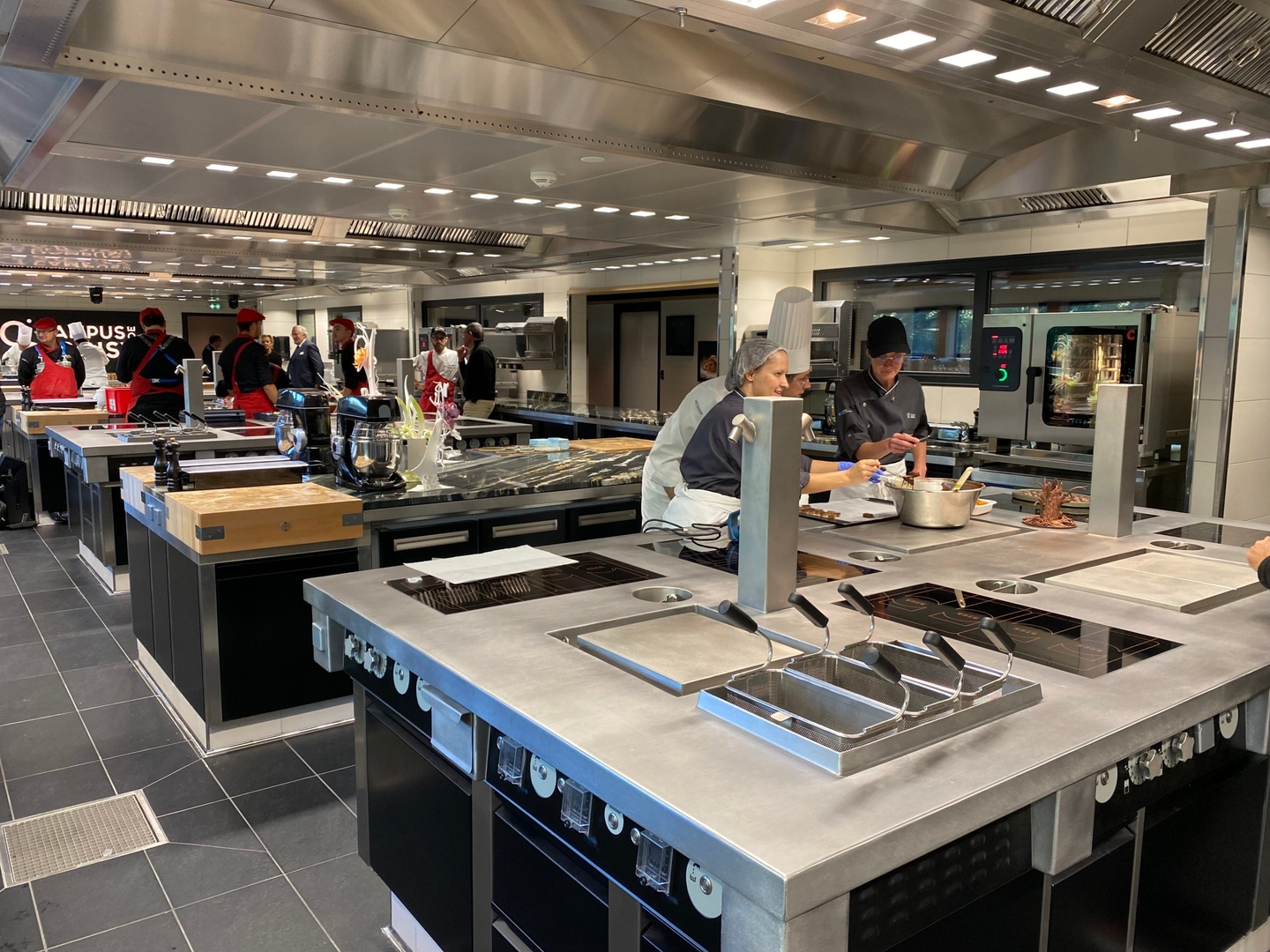
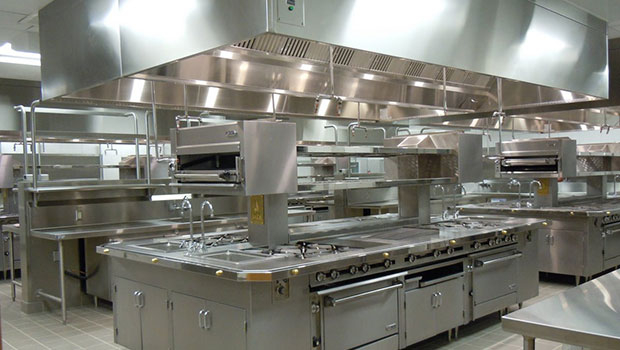
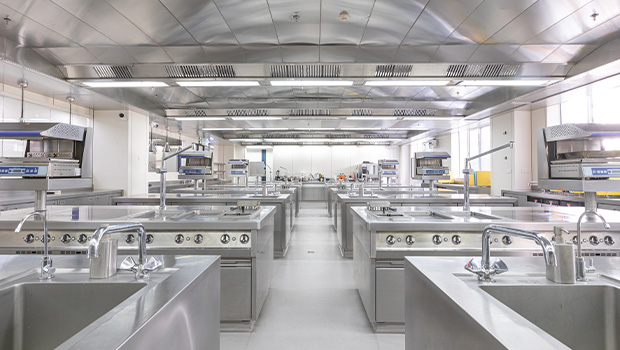
Halton kitchen ventilation solutions support culinary teaching schools, colleges, universities, and training kitchens around the world. These projects demonstrate proven performance in educational environments where indoor air quality, student comfort, visibility, energy efficiency, and reliable capture performance are essential for hands-on culinary instruction.
Contact us!
Our team looks forward to hearing from you. Please give us a call, send us an e-mail, or fill in the form. We’ll be in touch with you shortly.
For inquiries, requests for quotations or ask our specialist. We are here for you.
"*" indicates required fields