


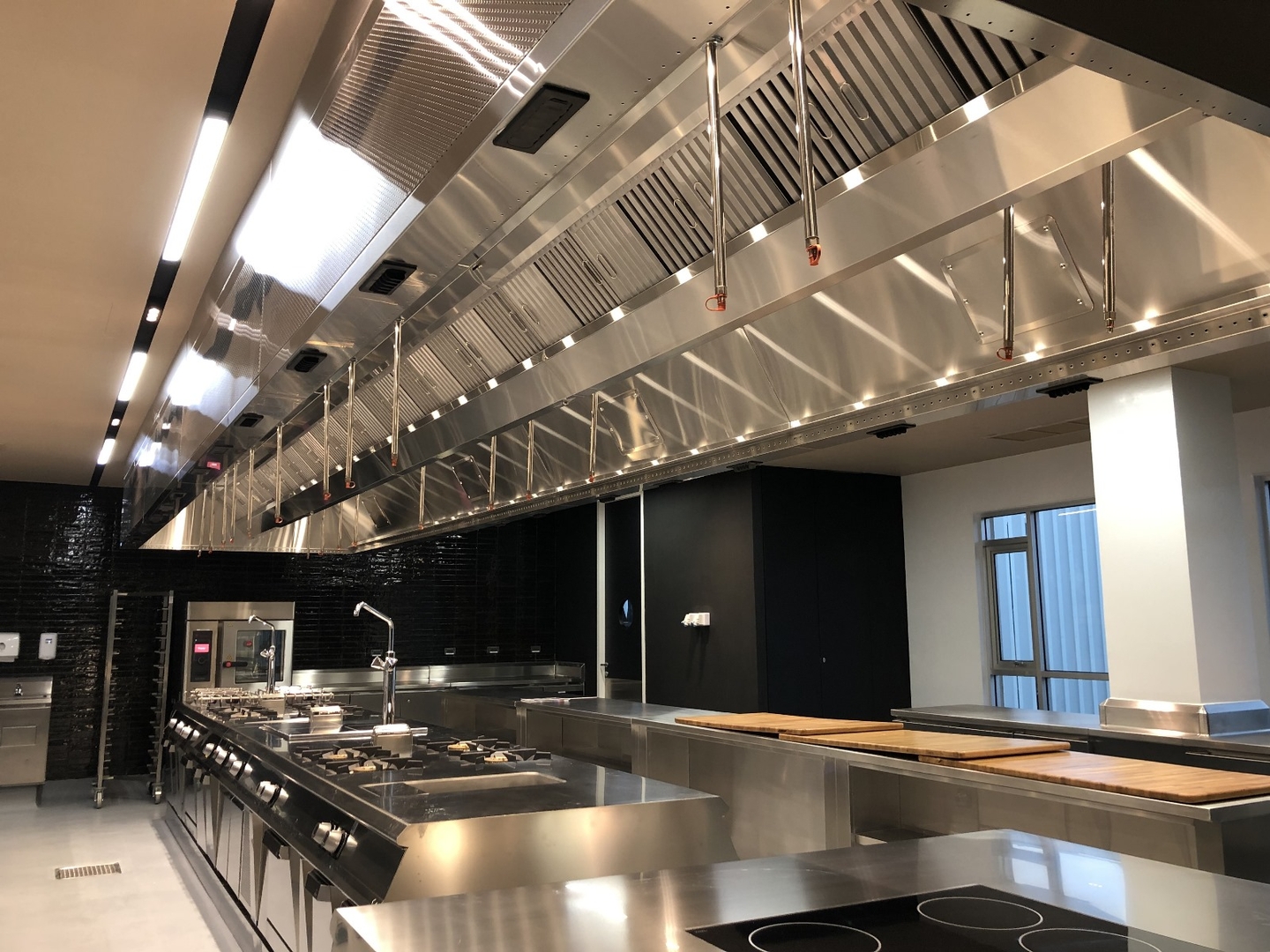

Casual Dining Kitchen Ventilation
Casual dining kitchen ventilation focuses on delivering consistent capture performance, energy efficiency, and comfort in restaurant environments with diverse cooking equipment and extended service periods. These kitchens require ventilation systems that can adapt to fluctuating loads while maintaining stable indoor conditions for both staff and guests.
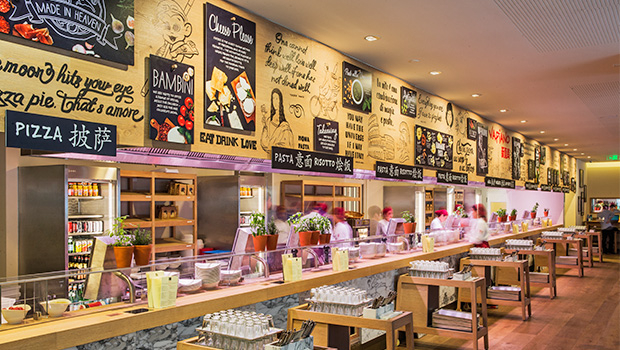
In casual dining restaurants, kitchens often operate across lunch and dinner service with varied cooking styles, from grilling and sautéing to frying and baking. Ventilation systems must manage heat, smoke, and grease effectively while supporting open or semi-open kitchen designs and maintaining a comfortable dining environment.


Key Benefits for Operators and Designers
Consistent capture performance across diverse cooking equipment and fluctuating service demand
Energy-efficient airflow control that helps reduce operating costs during slower periods
Improved guest comfort through effective heat, smoke, and odor management
Flexible ventilation designs that support open kitchens and evolving restaurant layouts
Why Choose Halton for Casual Dining?

Performance
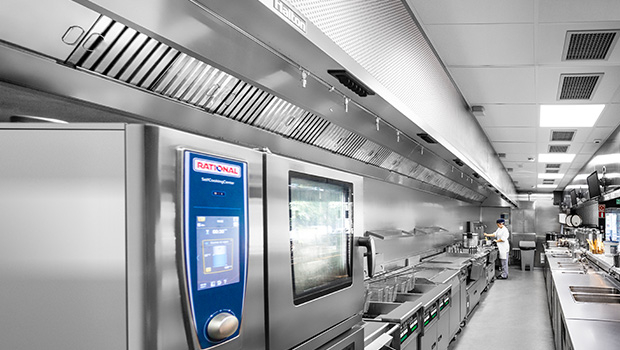
Capture Jet™ technology enhances airflow control at the hood, improving capture efficiency while reducing required exhaust airflow.

Efficiency
M.A.R.V.E.L. demand-controlled kitchen ventilation adjusts airflow based on real cooking activity, reducing energy consumption during off-peak periods.

Control
Halton SafeGuard provides system monitoring for ventilation performance, fire risk, and indoor environmental quality.

Experience
Solutions are engineered to support comfortable kitchen environments and protect guest-facing dining areas.
Featured Products and Technologies for Casual Dining
Frequently asked questions
How is casual dining ventilation different from quick service?
Casual dining kitchens typically have more diverse cooking equipment and longer service periods, requiring more adaptive airflow and consistent capture performance.
How can energy be reduced in casual dining kitchens?
Demand-controlled kitchen ventilation reduces airflow during low cooking activity, helping lower fan energy and conditioned air costs.
What type of hood is used in casual dining kitchens?
Most casual dining kitchens require Type I exhaust hoods to handle grease-producing appliances such as grills and fryers.
How do you control odors in open kitchen restaurants?
Pollution control units and proper airflow design help capture and treat grease and odors before they reach dining areas.
References
See Our References for Casual Dining
Halton solutions are applied in casual dining kitchens globally, supporting performance-driven ventilation design with proven capture efficiency, demand-based airflow control, and integrated grease and odor management. These systems help engineers and operators maintain consistent conditions across variable cooking loads.

Contact us!
Our team looks forward to hearing from you. Please give us a call, send us an e-mail, or fill in the form. We’ll be in touch with you shortly.
For inquiries, requests for quotations or ask our specialist. We are here for you.
"*" indicates required fields