




Foodservice Ventilation for
Multi-Tenant Facilities
Multi-tenant foodservice ventilation refers to kitchen ventilation systems designed to support multiple independent kitchens, such as food halls, food courts, and ghost kitchens operating within shared infrastructure.
Multi-tenant environments bring multiple kitchen operations together under one roof. From vibrant food halls and busy shopping-center food courts to high-density ghost kitchen facilities, these spaces often operate with shared infrastructure while supporting different cooking styles, equipment loads, and operating schedules.
Why Choose Halton for Multi-Tenant Foodservice

Reliable Capture Across Multiple Kitchens
Capture Jet™ technology helps maintain reliable containment across diverse cooking operations within multi-tenant facilities.

Flexible System Design
Flexible ventilation configurations – including high-efficiency hoods, island hoods, and ventilated ceilings. This supports a wide range of multi-tenant kitchen layouts.

Energy-Aware Operation
Demand-controlled kitchen ventilation adjusts airflow based on real cooking activity to help reduce unnecessary energy use.

Global Experience in Complex Foodservice Environments
Decades of global experience help Halton deliver ventilation solutions designed for complex, high-density foodservice environments.
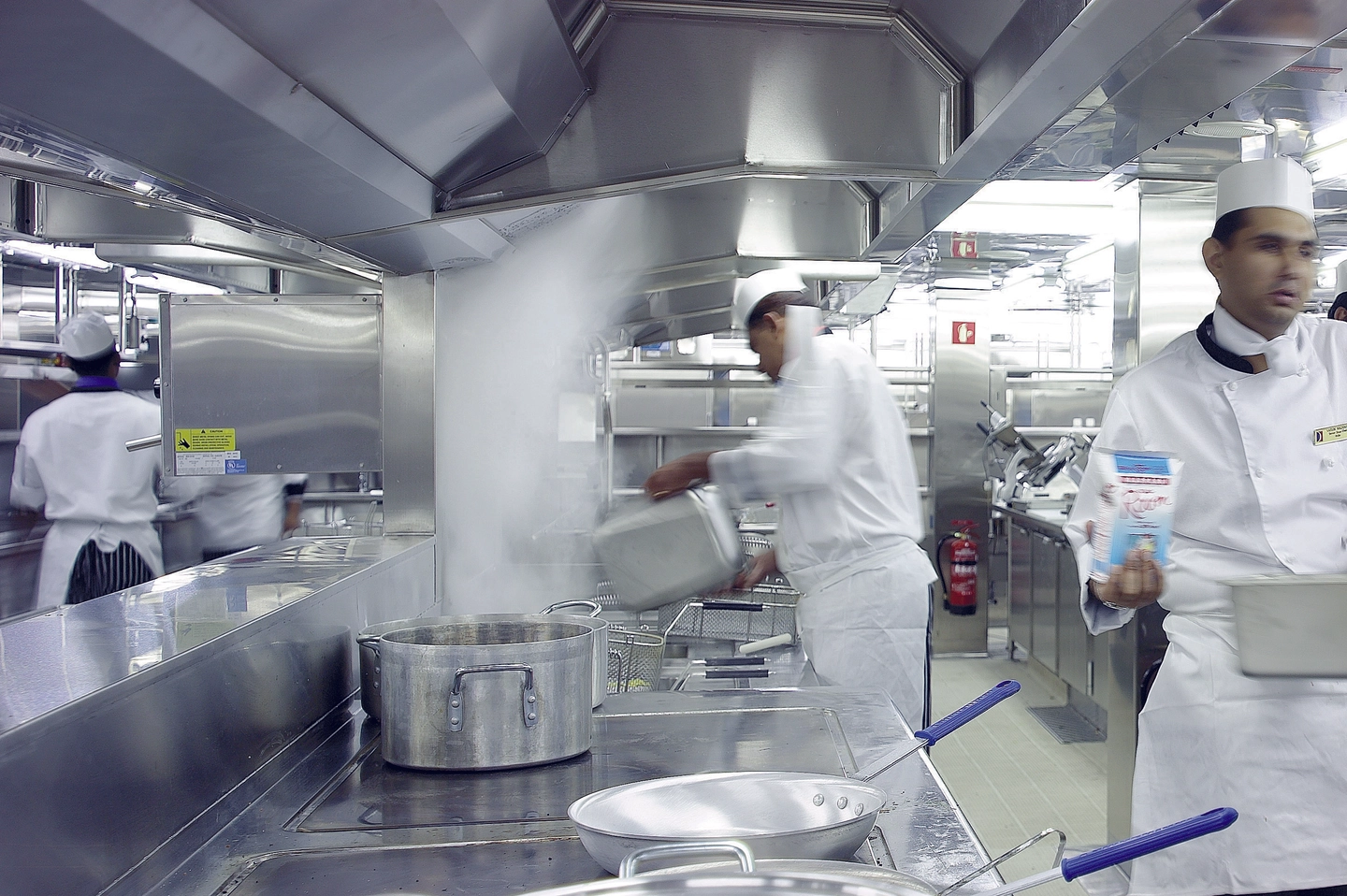

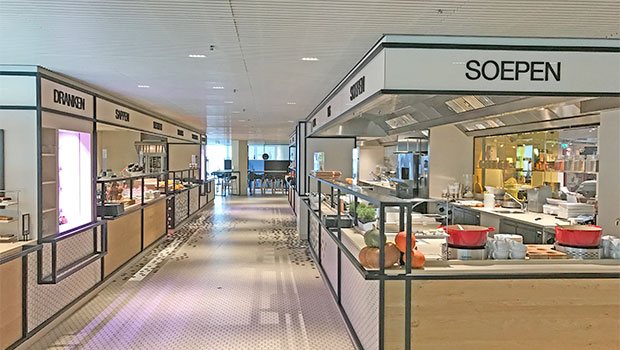
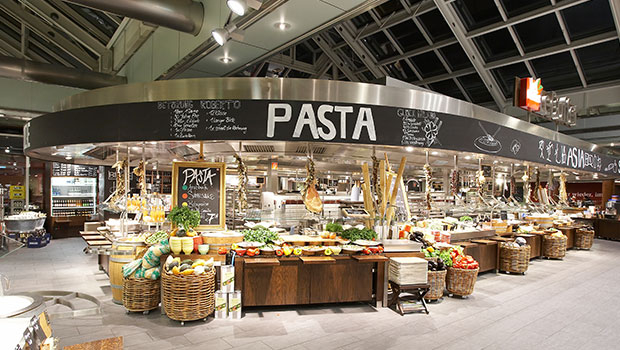
Food Hall Kitchen Ventilation
Built for fully open culinary marketplaces where mixed cooking loads, high variability and architectural visibility create unique ventilation challenges that require strong capture performance and flexible system design.
- Reliable capture for mixed and variable cooking loads
Capture Jet™ exhaust hoods and M.A.R.V.E.L. demand‑controlled ventilation maintain containment across diverse cooking styles. They adjust airflow based on real kitchen activity and the evolving needs of cooking equipment.
- Ventilation that integrates with open architecture
Ventilated ceiling systems and architecturally integrated hood designs support open kitchen concepts while maintaining effective capture and containment performance.
- Odor and discharge control for public-facing spaces
Pollution control systems remove grease particles, smoke, and odors before the air is discharged. This supports food halls in dense urban areas and mixed‑use developments by helping reduce their impact on surrounding spaces.
- Flexible solutions for complex duct routing
Halton ventilation systems support complex duct layouts often required in multi‑tenant buildings. This helps designers manage shared infrastructure while maintaining reliable system performance.
Food Court Kitchen Ventilation
Built for high-volume retail dining environments – typically integrated in shopping malls, where multiple quick-service kitchens operate throughout the day with consistent cooking demand.
- Reliable capture during continuous cooking
High-performance exhaust hoods help contain heat, smoke, and grease during peak service periods when multiple kitchens operate simultaneously. See our exhaust hoods
- Energy efficiency for long operating hours
Demand-controlled ventilation reduces unnecessary airflow during quieter periods while maintaining capture performance during busy service times. Explore M.A.R.V.E.L. demand-based kitchen ventilation.
- Ventilation designed for shared infrastructure
Systems are engineered to support centralized exhaust and supply air systems commonly used in shopping centers, airports, and large public venues.
- Simplified system monitoring and oversight
Optional monitoring tools provide operational insight, helping facility teams identify maintenance needs and maintain reliable system performance.


Ghost Kitchen Ventilation
Designed for high-density delivery kitchen facilities where multiple restaurant brands operate within compact production-focused spaces.
- Capture performance in dense kitchen layouts
High-performance exhaust hoods help contain heat, smoke, and grease from tightly arranged coo
- Ventilation that adapts to changing production demand
Demand-controlled ventilation adjusts airflow based on cooking activity, reducing energy use during off-peak periods and adapting the system to the needs of new tenants. Explore M.A.R.V.E.L. demand-based kitchen ventilation.
- Efficient ventilation for compact facilities
Ventilation systems are designed to support high kitchen density while maintaining effective airflow and capture performance.
- Operational visibility across multiple kitchens
Monitoring systems provide facility operators with visibility into ventilation performance, helping support reliable operation across multiple tenant kitchens.
Technologies That Support Multi-Tenant Facilities
Our kitchen ventilation solutions combine advanced technologies designed to improve capture performance, energy efficiency, and operational visibility across complex multi-tenant foodservice environments.

Capture Jet™ Technology
Improves capture and containment by introducing controlled air jets that secures hoods’ or ceilings’ capture zone, helping maintain performance while reducing required exhaust airflow.

M.A.R.V.E.L. Demand Controlled Kitchen Ventilation
Adjusts exhaust and supply airflow based on real cooking activity, helping reduce unnecessary energy use during periods of lower kitchen demand.

Pollution Control
Helps remove grease particles, smoke, and odors from exhaust air before discharge, supporting facilities located in dense urban environments or mixed-use developments.

All-in-One
Halton SafeGuard Solution
Halton SafeGuard integrates demand‑controlled ventilation, system monitoring, and fire‑safety oversight into one connected solution. It helps operators maintain safe, efficient kitchen environments across multiple tenant kitchens.
References

Frequently asked questions
How do you ventilate multiple kitchens in a shared facility?
Multi-tenant facilities typically use centralized exhaust and supply infrastructure combined with high-performance hoods and demand-controlled ventilation to maintain capture performance across multiple cooking operations.
What ventilation challenges are common in food halls?
Food halls often combine open architecture with multiple cooking styles. Ventilation systems must maintain strong capture performance while preserving the visual openness of the space.
How can ventilation reduce energy use in multi-tenant kitchens?
Demand-controlled kitchen ventilation adjusts airflow based on cooking activity, helping reduce energy consumption during off-peak periods while maintaining required ventilation performance.
What is the best ventilation solution for ghost kitchens?
Ghost kitchens benefit from systems that provide reliable capture performance in dense kitchen layouts while allowing airflow to adjust as cooking demand changes.
Is there a solution to invoice ventilation based on tenants’ usage?
Yes, M.A.R.V.E.L. monitors the exhaust airflow of each hood. It enables objective determination of each tenant’s ventilation usage and allows the HVAC energy bill to be fairly split among them.
Ready to optimize your ventilation for Multi-Tenant facilities?
Partner with Halton for proven ventilation solutions for multi-tenant facilities.
"*" indicates required fields